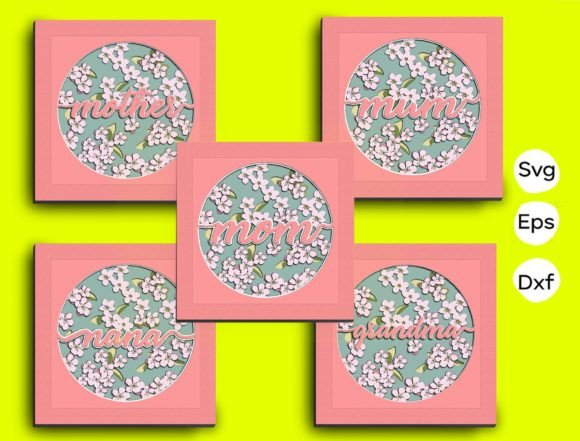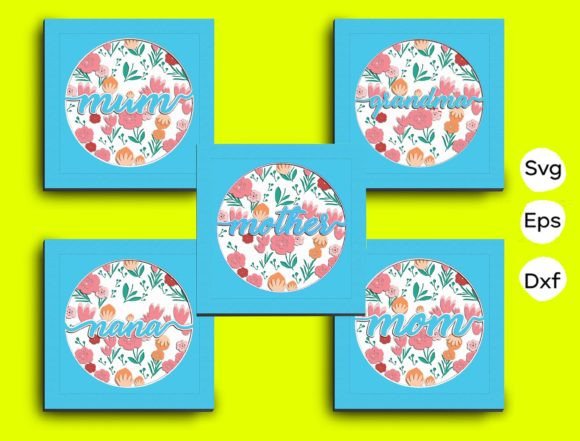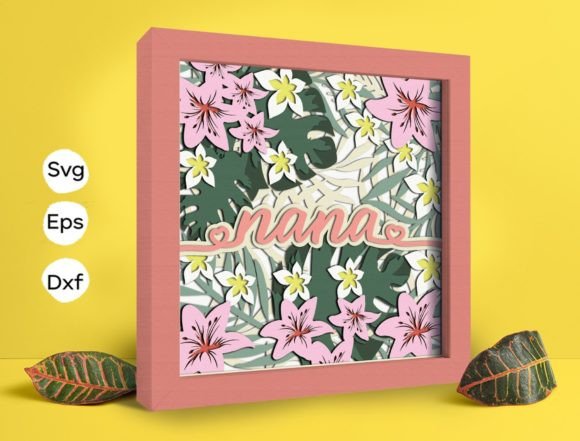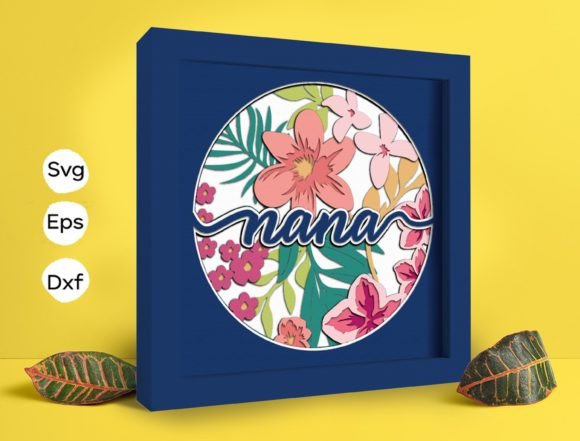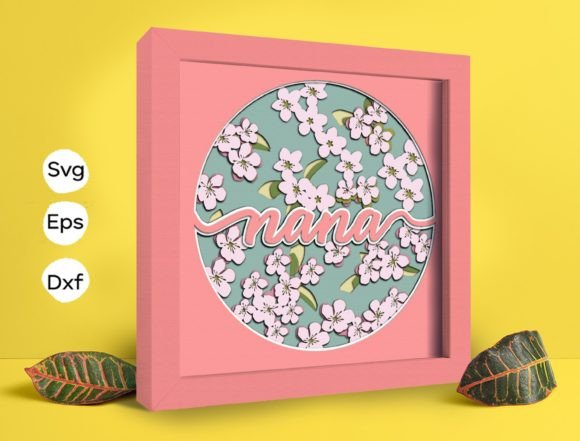
Nana Peach Blossom Papercut Light Box and File Compatibility: A Comprehensive Guide
The Nana Peach Blossom Papercut Light Box is a stunning addition to any craft or design project, offering a unique way to display intricate papercut art. Whether you're a hobbyist or a professional designer, this light box can elevate your creative work. However, to fully utilize its potential, it's essential to understand the file formats that are compatible with various design software. From Cricut Design Space to Inkscape, knowing which files work best ensures smooth execution of your projects.
Understanding File Formats for Papercut Designs
When working with papercut designs, especially for a product like the Nana Peach Blossom Papercut Light Box, the right file format plays a crucial role in achieving the desired outcome. Different design programs support different file types, so it's important to choose the correct one based on your software of choice. Common formats include SVG, DXF, EPS, AI, and more.
SVG (Scalable Vector Graphics) is one of the most widely used formats for digital cutting and printing. It’s ideal for papercut designs because it maintains quality at any size. If you're using Cricut Design Space or Silhouette Studio, SVG files are typically the go-to option. This format allows for precise cuts and detailed patterns, making it perfect for the delicate nature of the Nana Peach Blossom design.
Compatibility with Cricut Design Space and Silhouette Software
Cricut Design Space is a popular platform among crafters, offering an intuitive interface for creating and customizing designs. When using the Nana Peach Blossom Papercut Light Box, you’ll likely need to download SVG files to import into Cricut Design Space. These files ensure that the intricate details of the papercut are preserved during the cutting process.
Silhouette users will find that both Silhouette Designer Edition and Silhouette Studio support SVG files as well. However, some advanced features may require DXF (Data Exchange Format) files, particularly when working with more complex designs. DXF is commonly used in industrial applications but also works well for detailed papercuts. If you’re looking to create a multi-layered or highly detailed Nana Peach Blossom design, consider using DXF for greater precision.
Using Adobe Illustrator and CorelDRAW for Advanced Projects
For those who prefer more control over their designs, Adobe Illustrator and CorelDRAW offer powerful tools for editing and refining papercut artwork. These programs support EPS (Encapsulated PostScript) and AI (Adobe Illustrator) files, which are excellent for maintaining vector quality and compatibility across different platforms.
EPS files are particularly useful when preparing designs for print or for use in other software. They retain high-quality resolution and can be easily imported into programs like Adobe Illustrator or CorelDRAW. If you're planning to modify the Nana Peach Blossom design before cutting, EPS files provide the flexibility needed for adjustments without losing detail.
AI files, on the other hand, are native to Adobe Illustrator and offer seamless integration within the Adobe ecosystem. If you're already using Adobe products, this format is a natural choice. It allows for easy editing and layer management, making it ideal for complex papercut projects that require multiple steps or layers.
Open-Source Options: Inkscape and Make the Cut
For users who prefer open-source software, Inkscape and Make the Cut are excellent alternatives. Inkscape supports SVG files natively, making it a great choice for those who want to work with the Nana Peach Blossom design without purchasing expensive software. Its robust vector editing tools allow for detailed customization, ensuring that your papercut looks exactly as intended.
Make the Cut is another user-friendly program that works well with SVG and DXF files. It’s particularly popular among hobbyists and small-scale designers due to its simplicity and affordability. If you're looking for a cost-effective solution to work with the Nana Peach Blossom Papercut Light Box, Make the Cut offers a solid combination of functionality and ease of use.
Choosing the Right File Before Downloading
Before downloading any files for your papercut project, it’s crucial to verify that your design software supports the format you’re planning to use. For example, if you’re using Silhouette Studio, make sure the file is in a compatible format such as SVG or DXF. Similarly, if you're working with Adobe Illustrator, check that the file is in EPS or AI format.
Some programs may not support certain file types, leading to issues during the cutting or printing process. Always double-check the requirements of your software to avoid unnecessary delays or errors. The Nana Peach Blossom Papercut Light Box is designed to work with a variety of formats, but ensuring compatibility is key to a successful project.
Best Practices for Working with Papercut Files
To get the most out of your Nana Peach Blossom Papercut Light Box, follow these best practices when working with digital files:
- Use high-quality source files: Ensure that the original design is clear and detailed to maintain quality during the cutting process.
- Test your design: Before committing to a full cut, test your design on a smaller scale to identify any issues.
- Organize your files: Keep your design files well-organized, especially if you're working on multiple versions or iterations.
- Backup your work: Always keep a backup of your files in case of accidental deletion or software issues.
By following these tips, you can streamline your workflow and ensure that your Nana Peach Blossom Papercut Light Box turns out beautifully every time.