Fluid 3d Texture Pattern
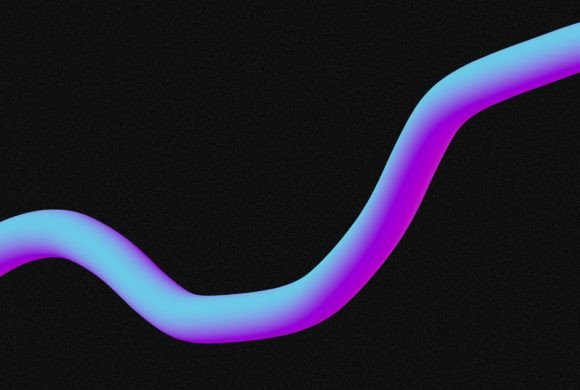
If you're searching for a modern, liquid-like texture to elevate your creative projects, the Fluid 3d Texture Pattern could be exactly what you need. This abstract design element is ideal for adding depth and movement to backgrounds, whether you're working on digital art, graphic design, or print media. Its dynamic, flowing appearance brings a sense of motion and energy that can transform any project into something visually striking.
The visual characteristics of this texture are both mesmerizing and versatile. With its fluid, 3D-like quality, it mimics the look of liquid in motion, creating an organic, almost surreal effect. The grainy texture adds a layer of complexity, making it perfect for noise wallpapers, murals, or even as a base for digital artwork. Its high-resolution format ensures clarity and detail, whether you're using it for a small social media graphic or a large-scale print.
Where Fluid 3d Texture Pattern Shines
This texture pattern is particularly effective in creative and commercial settings where visual interest is key. It works well in editorial design, packaging, and web design, offering a unique backdrop that stands out without overwhelming the content. For logo design or brand identity work, it can serve as a subtle yet powerful background element that reinforces a modern, innovative brand image.
In digital artwork and photo editing, the Fluid 3d Texture Pattern can add a sense of depth and dimension. It’s also great for scrapbooking, photo books, and banners, where its abstract nature can complement a variety of styles. Whether you're designing for personal use or commercial clients, this texture offers a flexible solution that adapts to different needs and aesthetics.
How It Influences Design and Branding
The right texture can significantly impact how a design is perceived. Fluid 3d Texture Pattern contributes to visual hierarchy by drawing attention to key elements while maintaining a cohesive and professional look. Its modern, abstract style can enhance brand perception, especially for businesses aiming to convey innovation, creativity, or a forward-thinking approach.
When used effectively, this texture can help create a consistent visual language across various design assets. From website backgrounds to marketing materials, it provides a unifying element that strengthens brand recognition. Its ability to blend with other design elements makes it a valuable addition to any designer's toolkit.
Choosing the Right Font and Texture
While the Fluid 3d Texture Pattern itself is a strong visual element, pairing it with the right typeface can further enhance its impact. For a balanced composition, consider using a clean, sans-serif font for headings and body text. This contrast can help maintain readability while allowing the texture to take center stage.
When evaluating whether this texture fits your project, think about the overall tone and purpose. Is the goal to create a bold statement or a subtle background? The texture’s versatility allows it to adapt to both approaches, but understanding your design goals will help you make the most of its potential.
Testing different font pairings is an essential step in the design process. Experiment with various combinations to see how the texture interacts with different typefaces. This can help you find the perfect balance between form and function, ensuring that your final design is both aesthetically pleasing and easy to read.
Practical Tips for Using Fluid 3d Texture Pattern
Before incorporating this texture into your work, review the included styles and file formats. The ZIP folder contains a single JPG file, which is ready to use in Photoshop or other design software. Its high resolution (4936x3319px at 300 dpi) ensures that it prints clearly on paper, making it suitable for both digital and physical applications.
For commercial projects, check the licensing terms to ensure that you’re using the texture in compliance with the intended usage. Many designers prefer premium fonts and textures that offer flexibility and legal protection, especially when working on client projects or public-facing designs.
Consider the context in which the texture will be used. A highly detailed texture might not be suitable for a minimalist design, while a more subdued version could work better in that setting. Understanding the nuances of the texture will help you apply it more effectively and avoid overcomplicating your design.
Real-World Applications and Recommendations
One practical application of Fluid 3d Texture Pattern is in social media graphics. Its dynamic look can catch the eye of viewers scrolling through feeds, making it a great choice for promotional posts, story templates, or profile pictures. When used as a background, it adds a layer of sophistication that elevates the overall visual appeal.
For print projects, such as posters or banners, the texture can provide a unique backdrop that stands out in a crowded space. Its grainy effect adds a tactile quality that can make printed materials feel more engaging and memorable. When paired with bold typography, it can create a powerful visual statement that resonates with your audience.
If you're working on a book cover or magazine layout, this texture can add an artistic flair that complements the content. It’s especially useful for creative or abstract publications where a traditional background might not convey the desired mood or message.
Ultimately, the Fluid 3d Texture Pattern is a valuable asset for any designer looking to add depth, movement, and visual interest to their work. Whether you're creating a digital artwork, a branding package, or a print project, this texture offers a versatile and stylish solution that can enhance your creative output.