Flower Home Papercut Light Box: A Creative Tool for All Design Software
The Flower Home Papercut Light Box is a versatile design element that has gained popularity among crafters, artists, and DIY enthusiasts. This intricate papercut design not only adds a touch of elegance to any space but also serves as a practical tool when used in conjunction with light boxes. Whether you're a beginner or an experienced designer, understanding how to use the Flower Home Papercut Light Box across various software platforms can open up new creative possibilities.
What is a Papercut Light Box?
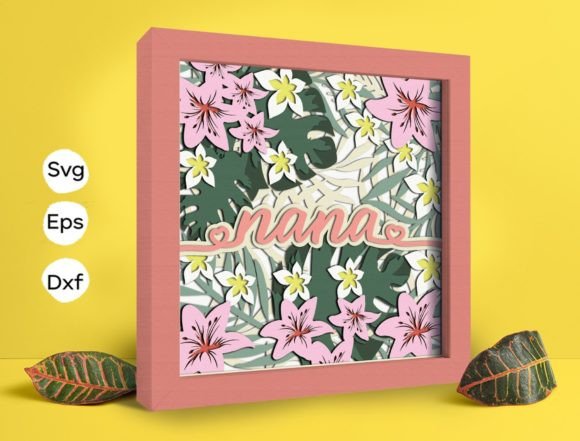
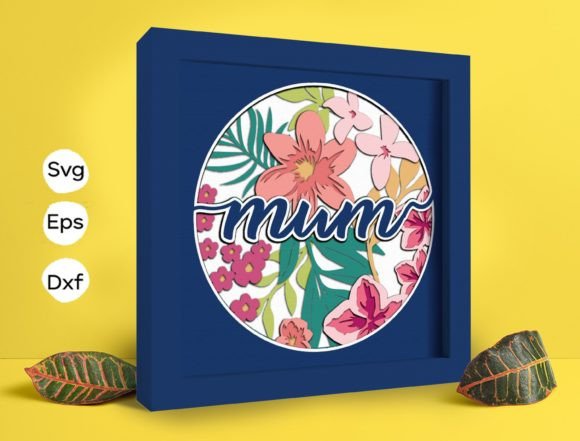
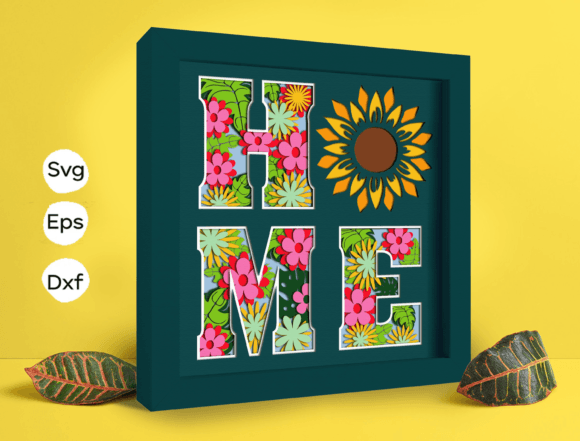
A papercut light box is a flat surface that allows light to pass through a cut-out design, creating a glowing effect. The Flower Home Papercut Light Box is specifically designed with floral patterns, making it ideal for home decor, gift wrapping, and artistic displays. These designs are often created using vector graphics, which can be easily edited and scaled in digital design software.
The key to using a papercut light box effectively is having the right file format. Depending on your design software, you may need different file types to ensure compatibility and precision. Understanding these formats is essential for getting the best results from your projects.
Common File Formats for Papercut Designs
When working with papercut designs like the Flower Home Papercut Light Box, you'll encounter several file formats. Each format has its own advantages and is suited for specific design programs. Here are some of the most common ones:
- Cricut Design Space: This is the primary software for Cricut machines, allowing users to create and customize designs for cutting materials like paper, vinyl, and fabric.
- Silhouette Designer Edition (DXF): Silhouette Studio uses DXF files for precise cutting, making it a popular choice for those who work with Silhouette machines.
- EPS (Encapsulated PostScript): EPS files are widely used in Adobe Illustrator and other graphic design software, offering high-quality vector graphics that can be scaled without losing resolution.
- Adobe Illustrator: This industry-standard vector graphics editor is perfect for creating detailed papercut designs that can be exported in multiple formats.
- Make the Cut: A user-friendly design software for Cricut users, Make the Cut offers a range of tools for editing and preparing designs for cutting.
- CorelDRAW: A powerful vector graphics editor used by professionals, CorelDRAW supports a variety of file formats, including those needed for papercut projects.
- Inkscape: An open-source alternative to Adobe Illustrator, Inkscape is ideal for users looking for free and flexible design tools.
Each of these programs has its own strengths and is compatible with different file formats. Choosing the right one depends on your specific needs and the type of projects you're working on.
Why File Format Matters
File format compatibility is crucial when working with papercut designs. If you're using a design software that doesn't support the file type you have, you may encounter issues such as distorted shapes, missing details, or difficulty in scaling the design. This is why it's important to ensure that your machine program supports the required format before downloading any files.
For example, if you're using a Cricut machine, you'll need to make sure that your design is in a format that Cricut Design Space can read. Similarly, if you're using a Silhouette machine, you'll need to export your design as a DXF file for proper cutting. Understanding these requirements helps prevent errors and ensures that your final product looks exactly as intended.
How to Choose the Right File Format
Choosing the right file format involves considering both your design software and the capabilities of your cutting machine. Here are some tips to help you decide:
- Check Your Software Compatibility: Before downloading any files, check what file formats your design software supports. Most programs will list this information in their documentation or settings.
- Consider Your Cutting Machine: Different machines may require specific file types. For instance, some machines work best with SVG files, while others may need DXF or EPS.
- Look for Pre-Formatted Files: Many online marketplaces and design platforms offer pre-formatted files tailored to specific software and machines. These files are often optimized for ease of use and accuracy.
- Test Your Files: If you're unsure about a file's compatibility, try opening it in your software first. This can help you identify any potential issues before proceeding with a project.
By taking these steps, you can avoid common pitfalls and streamline your workflow, making it easier to create beautiful papercut light boxes and other designs.
Using the Flower Home Papercut Light Box in Different Programs
The Flower Home Papercut Light Box is available in multiple file formats, making it accessible to a wide range of users. Here's how you can use it in different design programs:
Cricut Design Space
If you're using Cricut Design Space, you'll typically need an SVG file for your papercut design. SVG (Scalable Vector Graphics) is a widely supported format that allows for easy editing and scaling. To use the Flower Home Papercut Light Box in Cricut Design Space:
- Download the SVG file from a trusted source.
- Open Cricut Design Space and import the file.
- Adjust the size and position as needed.
- Send the design to your Cricut machine for cutting.
This process ensures that your papercut design is accurate and ready for use in a light box.
Silhouette Studio
Silhouette Studio requires DXF files for precise cutting. To use the Flower Home Papercut Light Box in Silhouette Studio:
- Download the DXF file.
- Open Silhouette Studio and import the file.
- Adjust the design and set up your cutting parameters.
- Send the design to your Silhouette machine.
This method provides a high level of detail and accuracy, making it ideal for complex papercut designs.
Adobe Illustrator and Other Vector Editors
For users of Adobe Illustrator, EPS files are often preferred for their high quality and scalability. To use the Flower Home Papercut Light Box in Adobe Illustrator:
- Download the EPS file.
- Open Adobe Illustrator and import the file.
- Edit the design as needed.
- Export the file in the desired format for your cutting machine.
Other vector editors like CorelDRAW and Inkscape also support similar workflows, allowing for greater flexibility and customization.
Benefits of Using a Papercut Light Box
The Flower Home Papercut Light Box offers numerous benefits, both aesthetic and functional. Here are a few reasons why it's a valuable addition to your creative toolkit:
- Elegant Decor: The delicate floral patterns add a touch of sophistication to any room, making it a great choice for home decor.
- Customizable Designs: With the right file formats, you can easily modify the design to suit your preferences or project requirements.
- Easy to Use: Once you have the correct file format, setting up a papercut light box is straightforward and requires minimal effort.
- Cost-Effective: Creating your own papercut light boxes can save money compared to purchasing pre-made options.
Whether you're looking to enhance your living space or create unique gifts, the Flower Home Papercut Light Box is a versatile and rewarding project.
Conclusion
The Flower Home Papercut Light Box is more than just a decorative item—it's a creative tool that can be adapted to various design software and cutting machines. By understanding the importance of file formats and choosing the right tools for your projects, you can unlock new possibilities and bring your artistic vision to life. Whether you're a beginner or an experienced designer, the Flower Home Papercut Light Box offers a rewarding way to explore the world of papercutting and light box design.