Exploring the Art and Utility of 3D Mandala Decor with 4-7 Layers
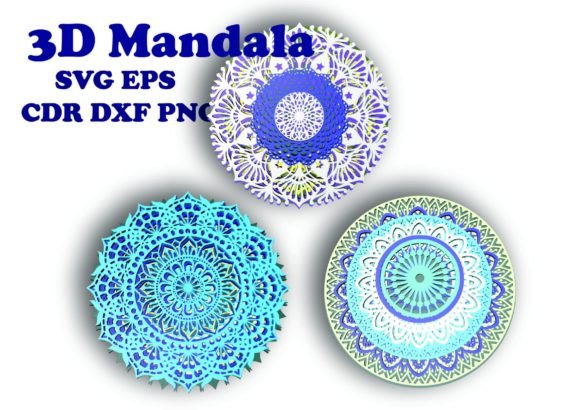
Mandala Decor has evolved from a spiritual symbol into a versatile design element that can be adapted for various creative and practical purposes. A 3D Mandala, constructed with 4-7 layers, offers an intricate yet manageable structure that allows for customization and precision. This type of design is particularly appealing to artists, educators, and makers who seek both aesthetic appeal and functional adaptability.
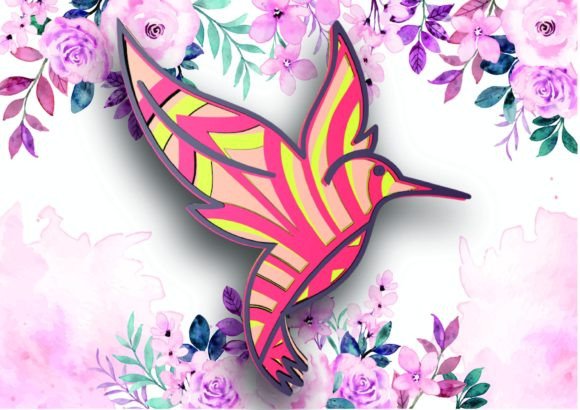
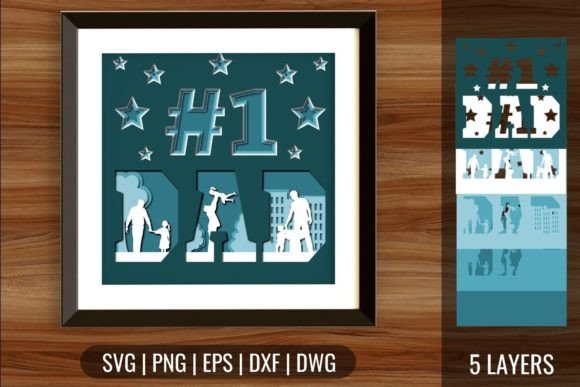
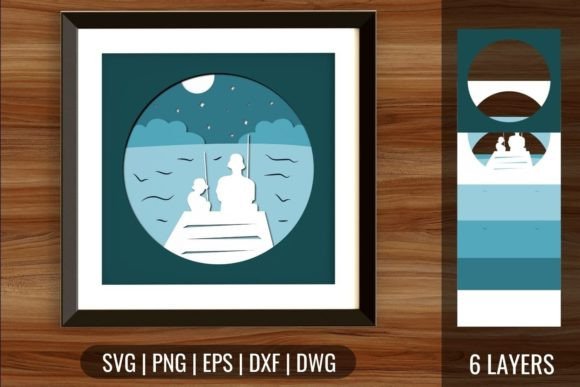
The design consists of 4-7 layers, each contributing to the depth and visual complexity of the final piece. These layers can be cut individually using a laser cutter, making it possible to create multi-dimensional art that stands out in any space. The modular nature of the design ensures that each layer can be adjusted or replaced without affecting the overall integrity of the project.
One of the key advantages of this design is its compatibility with multiple materials. Whether you're working with paper, wood, or cardboard, the design maintains its quality and detail. This flexibility makes it accessible to a wide range of users, from hobbyists experimenting with craft supplies to professionals looking for custom installations.
The ability to modify the color and size of the design file without losing quality is another significant benefit. This feature allows for personalization, ensuring that each Mandala can be tailored to fit specific themes, environments, or artistic visions. For instance, a larger version might be used as a wall decoration in a public space, while a smaller one could serve as a unique gift item.
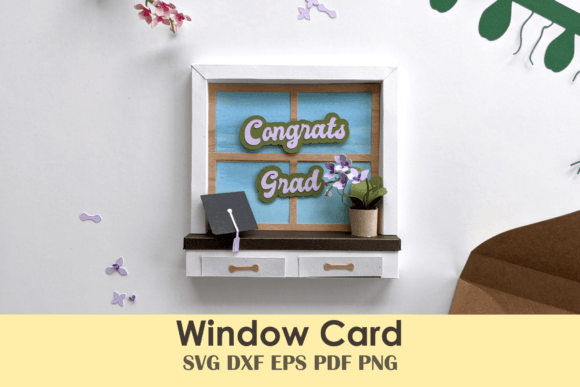
For those who use digital fabrication tools like laser cutters, the design is available in several standard formats, including SVG, EPS, PNG, CDR, and DXF. These file types are compatible with popular machines such as Cricut, Glowforge, and Silhouette, making it easy for users to bring their designs to life. The availability of these files also supports a streamlined workflow, reducing the time and effort required to prepare the design for cutting.
Creating a 3D Mandala involves a series of steps that begin with selecting the appropriate design file. Once the file is chosen, it can be imported into the software of your preferred cutting machine. The next step is to adjust the settings according to the material being used. For example, when working with wood, the laser power and speed may need to be optimized to achieve clean cuts without damaging the material.
After the individual layers are cut, they are assembled using glue or other adhesives. This process requires attention to detail to ensure that each layer aligns correctly and contributes to the overall structure. Some creators choose to add additional elements, such as paint or metallic finishes, to enhance the visual impact of the final piece.
Applications for 3D Mandala Decor extend beyond traditional art displays. Educators have found that these designs can be used in classrooms to teach geometry, symmetry, and pattern recognition. The hands-on nature of the project encourages students to engage with mathematical concepts in a tangible way. Similarly, researchers studying cultural symbols may find value in analyzing the structural and symbolic aspects of mandalas through a 3D lens.
In the realm of business, 3D Mandala Decor can be incorporated into product design, interior spaces, or marketing materials. Retailers and designers often use these pieces to create visually striking environments that attract customers and reflect brand identity. Additionally, the modular design allows for easy updates or changes, making it a flexible choice for dynamic settings.
For hobbyists and DIY enthusiasts, the process of creating a 3D Mandala offers both challenge and reward. It provides an opportunity to experiment with different materials, techniques, and color schemes. The satisfaction of assembling the final piece, knowing that each layer was carefully crafted, adds to the sense of accomplishment.
When considering the use of 3D Mandala Decor, it's important to take into account factors such as the intended purpose, available resources, and skill level. Beginners may start with simpler designs before progressing to more complex structures. Experienced creators, on the other hand, can explore advanced techniques, such as combining multiple mandala patterns or integrating lighting elements for added effect.
The versatility of the design also makes it suitable for collaborative projects. Artists, students, and community groups can work together to create large-scale installations that reflect shared themes or cultural narratives. This collaborative approach not only enhances the creative process but also fosters a sense of connection and collective achievement.
As the demand for customizable and interactive art continues to grow, 3D Mandala Decor with 4-7 layers represents a compelling option for those looking to blend creativity with functionality. Its adaptability, ease of use, and aesthetic appeal make it a valuable tool for a diverse range of applications and audiences.
Whether you're an artist seeking new inspiration, a teacher looking for engaging classroom activities, or a designer exploring innovative materials, the possibilities with 3D Mandala Decor are vast. By leveraging the right tools and techniques, you can transform a simple design into a stunning, multi-layered creation that resonates on multiple levels.